
Announcement · Archived
18 Nov 2024
Empowering Primary Health Centers in Nigeria
Across Nigeria, approximately 40% of primary health centres (PHCs) have no access to electricity. Health centers with grid access only have an average power supply of 2-8 hours, leaving them with no power for most of the 24 hours of operation or reliant on dirty, expensive, and maintenance-intensive fuel generators.
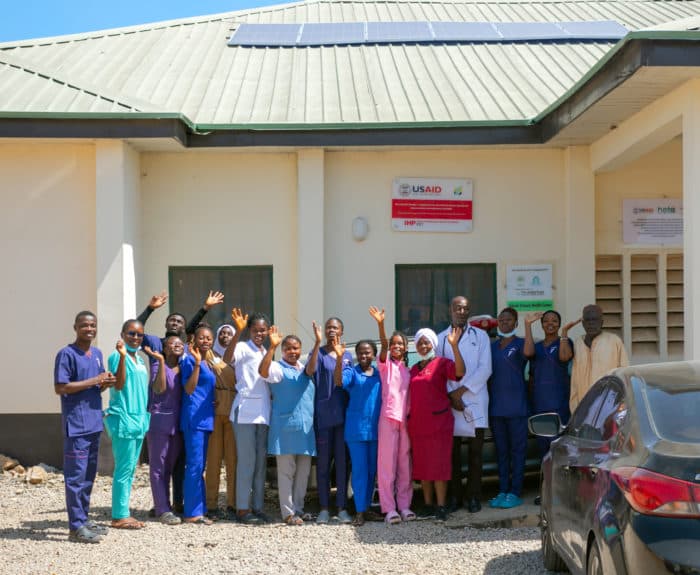
To improve the energy access situation of primary health care, the Germany-based research and development non-profit organization Access to Energy Institute (A2EI), Nigerian solar distributor Chromevolt, and the Health Electrification and Telecommunications Alliance (HETA) – a USAID Global Development Alliance and Power Africa’s flagship initiative for health facility electrification and digital connectivity in sub-Saharan Africa – have joined hands to empower 75 Nigerian PHCs.
Ensuring reliable, sustainable energy access through solar generators
Since May 2024, the partnership has successfully electrified 54 Nigerian PHCs with solar generators, and the number is growing. The health centers were selected after in-depth consultations with the National Primary Health Care Development Agency of Nigeria and local authorities.
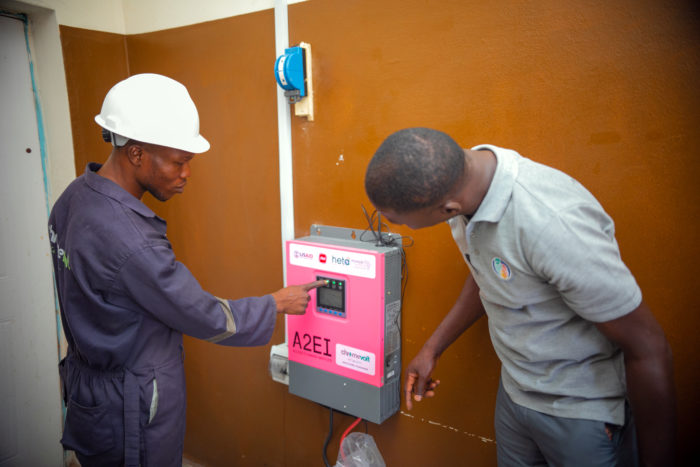
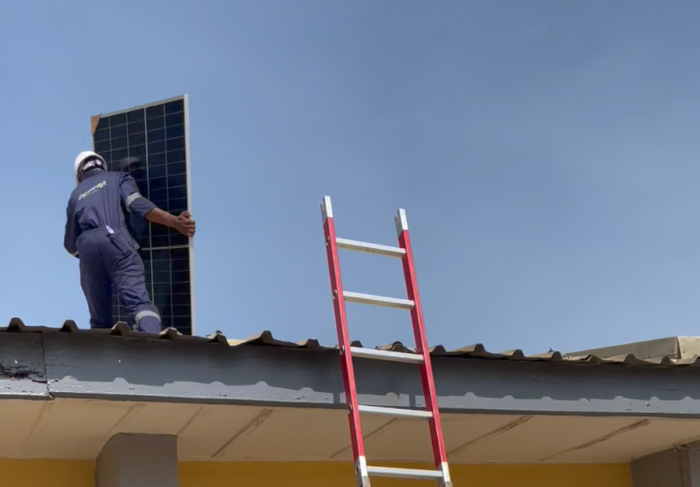
A customized version of A2EI’s solar generator – a large, standalone solar system including three 400Wp highly efficient PV modules, one 2 KVA hybrid inverter, and two 100Ah lead-carbon batteries optimized for lifetime and recyclability – was installed at each of the facilities.
To ensure the long-term sustainability of the solar generators, Chromevolt’s certified installation technicians carry out on-the-spot training of PHC personnel on their use. Furthermore, they provide complimentary 5-year maintenance of all components.

All systems are being monitored remotely through Prospect, an open-source data platform that conducts the automatic collection, aggregation, and analysis of energy, consumption, and maintenance data in near real time. The A2EI is putting its data scientists at the project’s disposal to ensure impact measurement, precise reporting, and data-based future recommendations for the healthcare sector.
Tackling the serious challenges of PHCs
The solar generators installed to date are in the North Central Regions of the Federal Capital Territory, Kaduna State, Nasarawa State, and Niger State. Each of the selected facilities serves up to 16,000 people and caters to the immediate healthcare needs of at least 2,000 women and children within the communities they cover. Services typically carried out include prenatal/postnatal care, pregnancy delivery and newborn care, antenatal education, immunization and vaccination, STI treatment, nutrition assessment, malaria treatment, lab tests, patient admission, basic surgery, first-aid, and other curative care.
Due to the unreliable grid, or absence of any energy supply, some of the facilities had depended on candles, kerosene lanterns, and rechargeable torch lights to deliver newborns, care for mothers after delivery, and administer first-aid to outpatients. Phones were mostly switched off and medical personnel were unreachable during emergencies. Some vaccines had to be placed in neighboring facilities’ cooling freezer or placed on ice coolers to avoid damage.
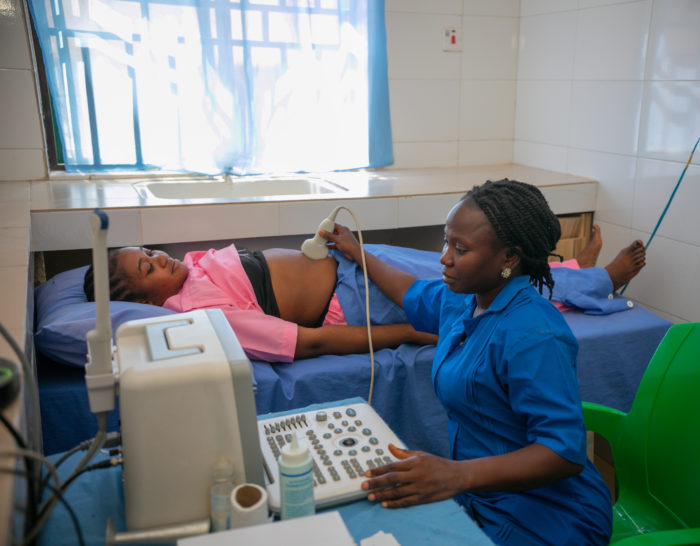
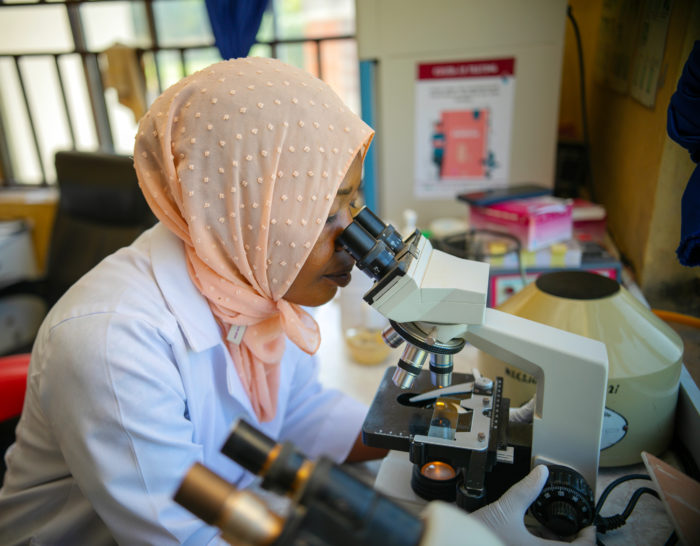
With reliable 24/7 power supply, the facilities are now able to run a range of medical appliances – including vaccination and medication fridges, electric microscopes, procedure lights, centrifuges, fetal heart monitors, oxygen concentrators, portable ultrasounds, and suction apparatuses. Furthermore, they can run ceiling fans, interior and exterior lighting, USB modems, laptops, printers, and mobile phones.
Creating solid positive impact for people and planet
The initiative creates real impact for the people who need it most: Mothers can now deliver their newborns in well-lit and fan-cooled facilities. Ultrasounds can be used for prenatal care and newborns can be properly taken care of. Vaccination campaigns can be run more efficiently, and the detection of diseases is sped up using electric lab equipment. Medical research and diagnostic cooperation opportunities are profoundly improved by Internet connectivity and the ability to charge laptops – and the use of electronic health, logistics, and financial information systems are made possible.
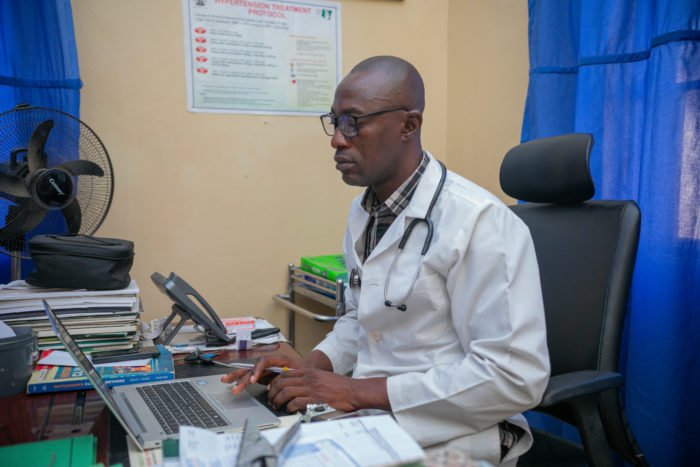
PHCs that previously depended on fuel generators report having more time and resources available for patients as there is no need to worry about the immense costs and hassle of fuel procurement and maintenance of fuel generators. The facilities are less noisy and not polluted by generator fumes.
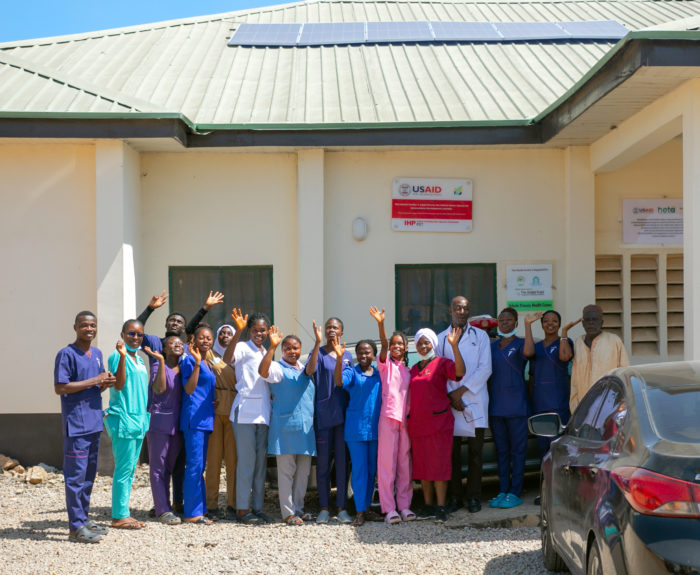
Across Sub-Saharan Africa, more than 70,000 health centres still have an unreliable electrical supply, with ca. 25,000 healthcare facilities lacking any energy access. In the future, we need to provide innovative solutions to tackle this challenge, including robust, reliable solar generators optimized for the conditions on the ground, smart connectivity solutions, adequate funding, and comprehensive monitoring and analysis of systems to allow for data-based decisions. This way, we can mitigate climate change and contribute to the global energy transition – while saving lives on the ground.
About the partnership
The A2EI has a solid track-record in engineering and procuring so-called solar generators. In the healthcare sector, the institute draws e.g. from prior in-house research monitoring and analyzing the energy needs of health care facilities in Benin and Sierra Leone.
Nigerian solar distributor Chromevolt is responsible for the on-the-ground implementation, installation, and maintenance of the solar systems.
The initiative is funded by a grant from the Health Electrification and Telecommunications Alliance (HETA) in partnership with USAID and Power Africa.