Chad
Powering humanitarian operations in fragile settings
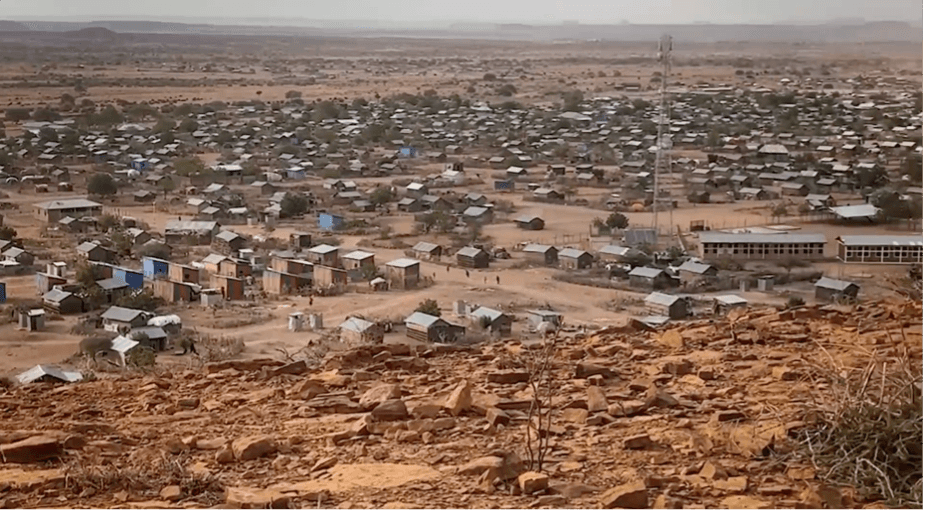
Displacement-affected communities are being left behind
Humanitarian operations depend heavily on diesel generators that are costly, polluting and vulnerable to supply disruptions. Over 37 million displaced people lack electricity, and 50 million lack access to clean cooking.¹ Humanitarian operations run over 11,000 diesel generators, while UN organisations spend around $100 million annually on generator fuel – producing more than 200,000 tonnes of CO₂ emissions.² Diesel supply chains can be unpredictable and susceptible to price shocks and localized conflict, putting vital humanitarian missions at risk.
A new utility model for humanitarian energy
A2EI and the Global Platform for Action,³ hosted by UNOPS,⁴ have developed the Humanitarian Utility Model for Energy (HUME) – a scalable Energy as a Service model designed to lower costs and emissions, strengthen operational resilience and support local incomes.
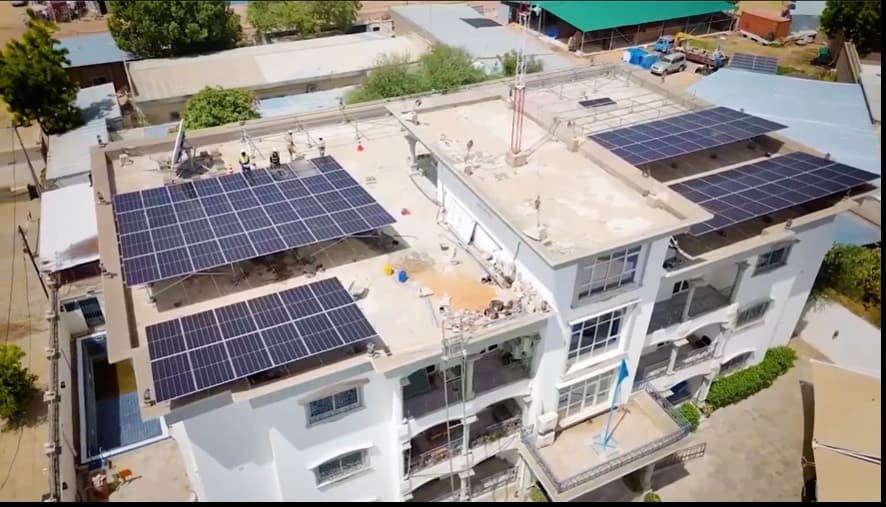
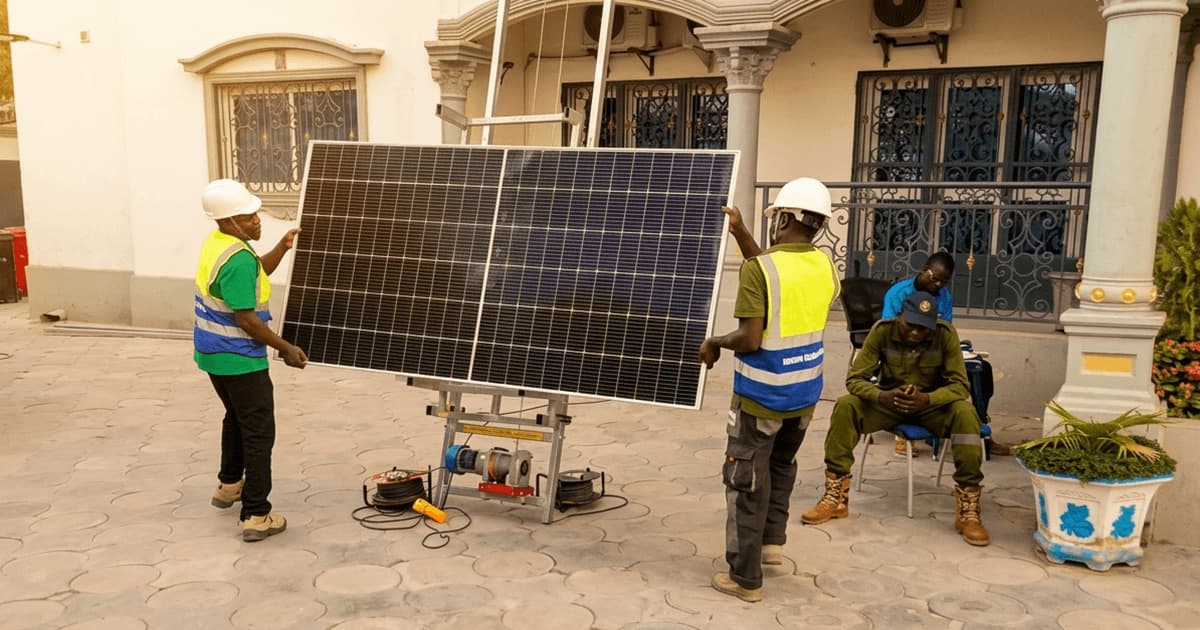
HUME helps humanitarian compounds and essential community services – such as water and health facilities – switch from diesel to solar hybrid power without upfront investment from humanitarian agencies that are mostly bound to restrictive short-term budgets. Backed by the collaborative, cross-sector initiative ZE-Gen⁵ and the IKEA Foundation,⁶ A2EI finances the systems, while local energy service companies install and maintain them. Agencies pay a monthly tariff based on the electricity they use, supporting reliable service while freeing limited funds for humanitarian needs instead.
HUME began by replacing diesel-powered generators at an UN bureau in the capital of Chad and is now building a second site in East Chad. The partnership has further engaged more than 20 partners across Chad, Nigeria, South Sudan and Kenya, installed remote energy meters and developed a series of EaaS business cases.
Keeping funding focused on vulnerable communitiese
Contracts guarantee 95% system uptime and 24/7 emergency support, backed by remote digital monitoring through Prospect. Working with local solar companies builds private sector capacity, creates green jobs, and supports economic inclusion. Humanitarian agencies can save at least 25% (and up to 50%) on energy bills – helping ensure planned funding reaches the vulnerable communities it is meant to support.